Exploring the Duty of a Metal Foundry in Modern Production Processes
Metal foundries are pivotal in the landscape of modern-day production. They provide important parts across different fields, adjusting to the demands of sectors such as automotive and aerospace. Advanced methods such as 3D printing and automated casting have changed their procedures. In addition, sustainability has come to be a concern, influencing their practices. As these foundries develop, the implications for producing performance and development are significant, raising questions about their future trajectory in an ever-changing economic situation.
The Advancement of Metal Casting Methods
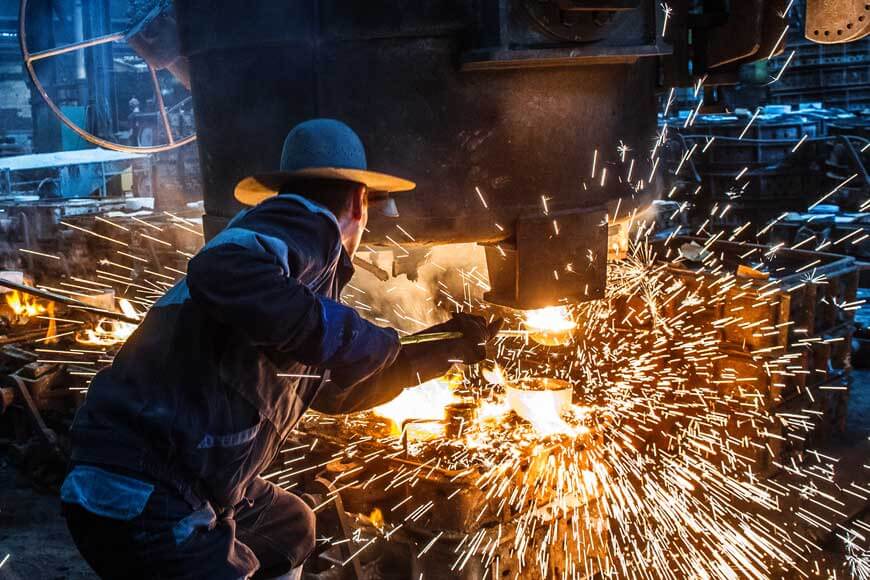
With the surge of automation, foundries embraced techniques like die casting and shed foam casting, enhancing the production procedure and decreasing waste. Each development in metal casting strategies has actually catered to the demands of different markets, from auto to aerospace. As metal casting remains to breakthrough, the interaction in between method and modern technology remains essential in conference modern manufacturing obstacles, making certain that foundries adapt and thrive in an ever-changing landscape.
Integration of Advanced Technologies in Foundries
Standard metal casting approaches have actually offered the sector well for centuries, the integration of advanced innovations in foundries is reinventing the manufacturing landscape. Automation and robotics streamline manufacturing processes, enhancing efficiency and reducing the danger of human mistake. Once difficult with conventional approaches, technologies such as 3D printing allow for rapid prototyping and the development of complex geometries that were. Additionally, information analytics and the Net of Things (IoT) allow real-time monitoring and anticipating maintenance, ultimately bring about decreased downtime and increased productivity. These developments also help with modification, permitting suppliers to react swiftly to market demands. As sustainability becomes a priority, the fostering of eco-friendly modern technologies, such as electric melting furnaces and advanced sand reclamation systems, even more demonstrates the sector's dedication to development. Jointly, these innovations not only boost operational efficiency yet also position foundries at the center of modern production techniques.
The Effect of Product Scientific Research on Foundry Procedures
Material science plays a crucial role in boosting foundry operations, affecting both the choice of materials and the general casting procedure. Advancements in material scientific research offer a deeper understanding of the residential or commercial properties of metals and alloys, making it possible for foundries to choose one of the most suitable products for certain applications. This knowledge enhances the performance and resilience of cast products, which is necessary for fulfilling sector standards.
Moreover, technologies in material formulas and ingredients add to enhanced casting methods, lowering issues and maximizing production efficiency. The development of innovative metal composites and smart products enables foundries to generate lighter, stronger components, which are increasingly demanded in various markets such as vehicle and aerospace.
In addition, material scientific research aids in the recycling of metals, making processes much more reliable and economical. By leveraging the current findings in product science, foundries can adapt to evolving market needs, ensuring their competitiveness in a swiftly transforming production landscape.
Sustainability Practices in Modern Metal Foundries
With the growing emphasis on ecological obligation, contemporary metal foundries are progressively applying sustainability practices to minimize their environmental footprint (Aluminum Foundry). One crucial strategy includes the recycling of scrap metal, which not just reduces waste but also preserves energy and raw materials. Foundries are embracing sophisticated melting modern technologies that boost energy performance, consequently decreasing greenhouse gas exhausts. In addition, the usage of eco friendly layers and products has actually acquired grip, more minimizing dangerous discharges throughout production
Water preservation methods, such as closed-loop air conditioning systems, are being carried out to lessen freshwater usage. Several foundries are additionally investing in eco-friendly power sources, like solar and wind, to power their procedures, thereby reducing dependence on nonrenewable fuel sources. Moreover, team training programs concentrated on sustainability methods promote a society of environmental awareness within the workforce. These campaigns collectively add to a much more lasting future for metal foundries while fulfilling the demands of eco-conscious customers.
The Future of Foundries in a Transforming Financial Landscape
As the international economy evolves, foundries face a myriad of challenges and opportunities that will certainly shape their future (Metal Foundry). The raising need for light-weight materials and advanced alloys necessitates advancement in manufacturing techniques and technological combination. Automation and smart manufacturing practices are coming to be crucial for boosting performance and minimizing functional costs. Additionally, the increase of sustainability concerns forces foundries to embrace greener procedures and reusing campaigns, lining up with global ecological goals
The financial landscape is additionally shifting, with supply chain Aluminum Foundry disturbances and changing resources prices offering substantial hurdles. Foundries should adapt by expanding their supply resources and investing in products science. Additionally, cooperation with sectors such as renewable resource and electric automobiles can cultivate growth. Ultimately, the future of foundries will certainly rely on their ability to leverage technical innovations while staying responsive to market dynamics and ecological imperatives, guaranteeing their significance in modern production.
Frequently Asked Questions
What Kinds of Metals Are Frequently Made Use Of in Foundries Today?
Typically used metals in foundries today include light weight aluminum, iron, copper, steel, and zinc. These materials are favored for their diverse properties, enabling a large range of applications in sectors such as vehicle, aerospace, and building and construction.
Exactly how Does a Factory Guarantee Quality Assurance in Its Products?
What Precaution Are Applied in a Metal Foundry?
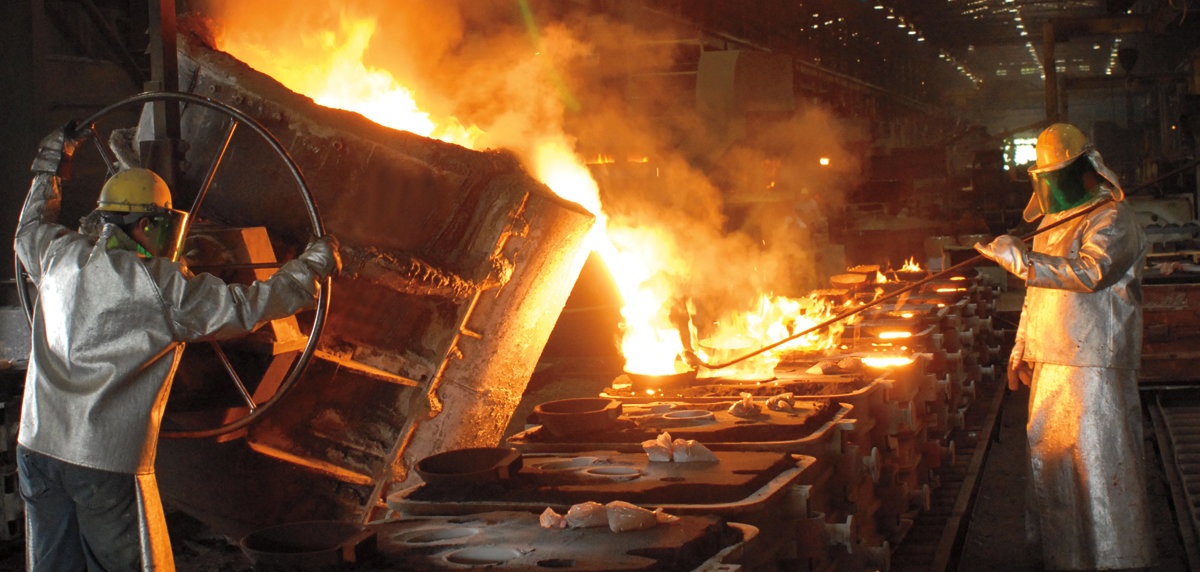
Metal foundries execute safety measures including personal safety devices, ventilation systems to reduce breathing of fumes, routine security training for employees, emergency action protocols, and extensive equipment upkeep to lessen risks and ensure a risk-free workplace.
The length of time Does the Metal Casting Process Commonly Take?
The metal casting process commonly takes numerous hours to days, relying on factors such as the intricacy of the mold and mildew, the sort of metal made use of, and cooling times. Each job's demands greatly influence the duration.
What Industries Largely Count On Metal Foundries for Production?
Automotive, equipment, building and construction, and aerospace industries largely depend on metal foundries for manufacturing. These fields use cast metals for parts, making sure durability and efficiency vital for their respective applications in production and assembly processes.
Metal foundries are crucial in the landscape of contemporary manufacturing. Aluminum Foundry. Typical metal casting methods have served the industry well for centuries, the integration of advanced technologies in foundries is reinventing the production landscape. Developments in material scientific research provide a much deeper understanding of the residential or commercial properties of alloys and steels, making it possible for foundries to pick the most suitable products for certain applications. With the expanding focus on ecological duty, modern metal foundries are significantly executing sustainability practices to minimize their environmental footprint. Automotive, aerospace, building, and equipment markets mostly count on metal foundries for manufacturing